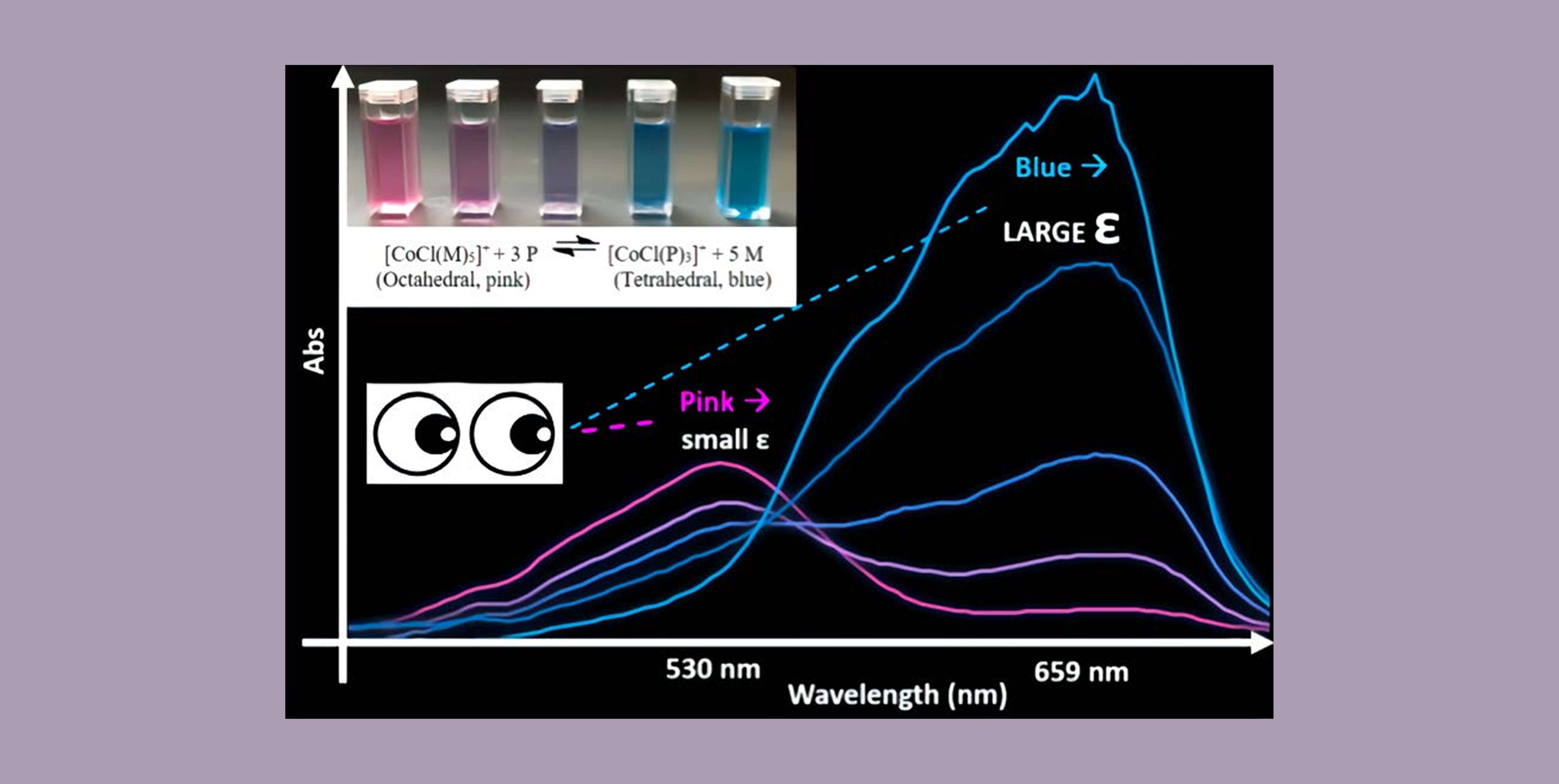
Visualizing Equilibrium with Cobalt Complexes

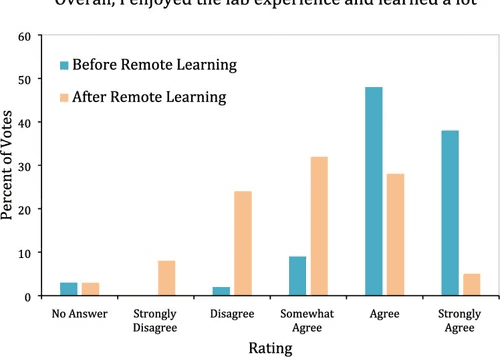
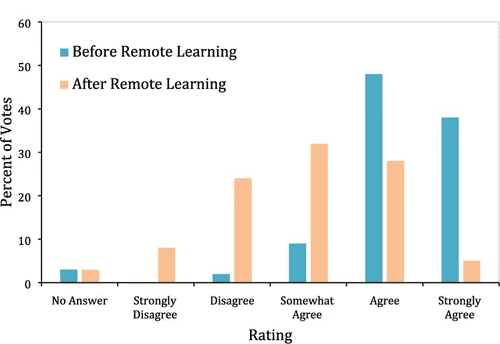
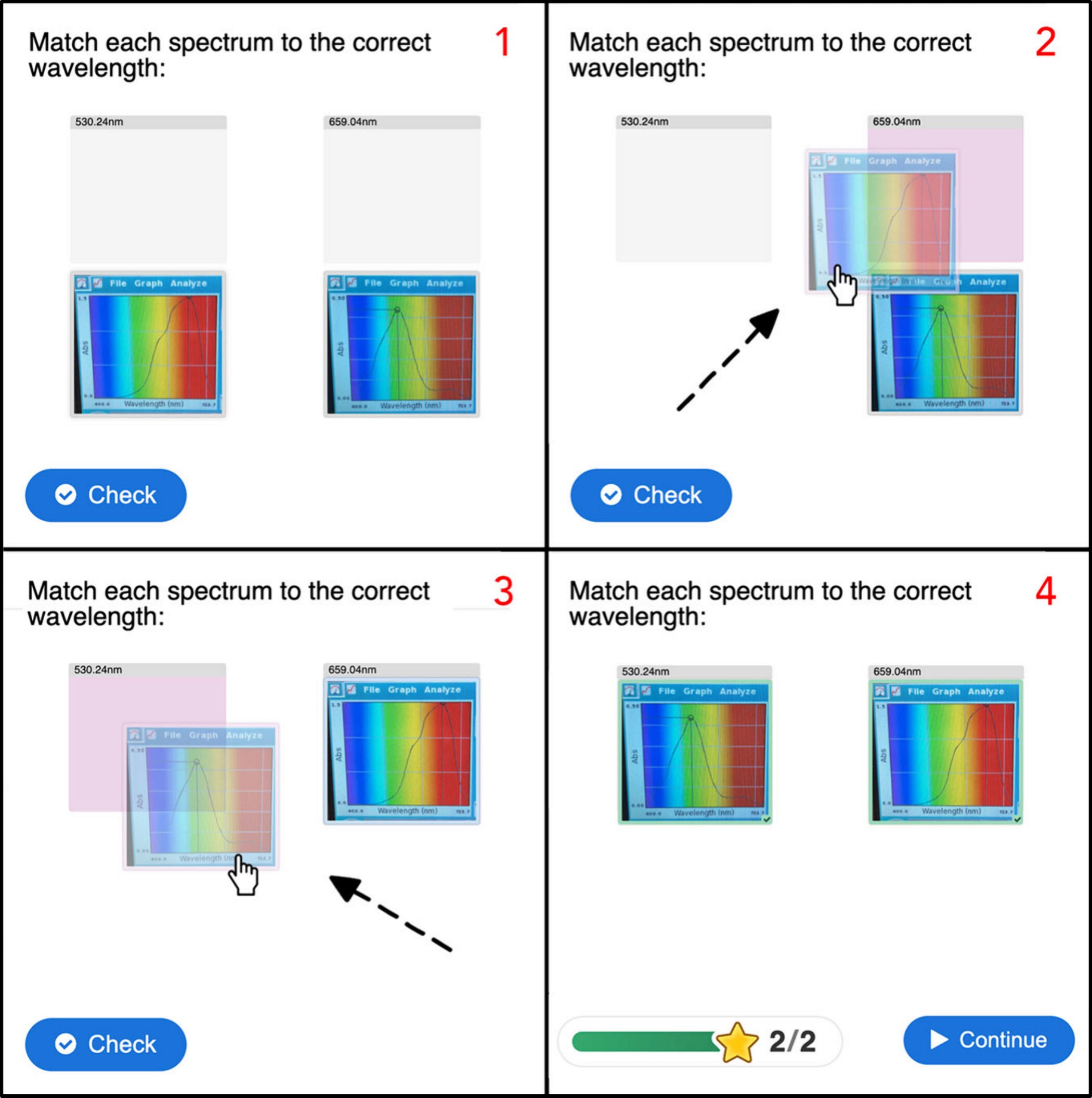
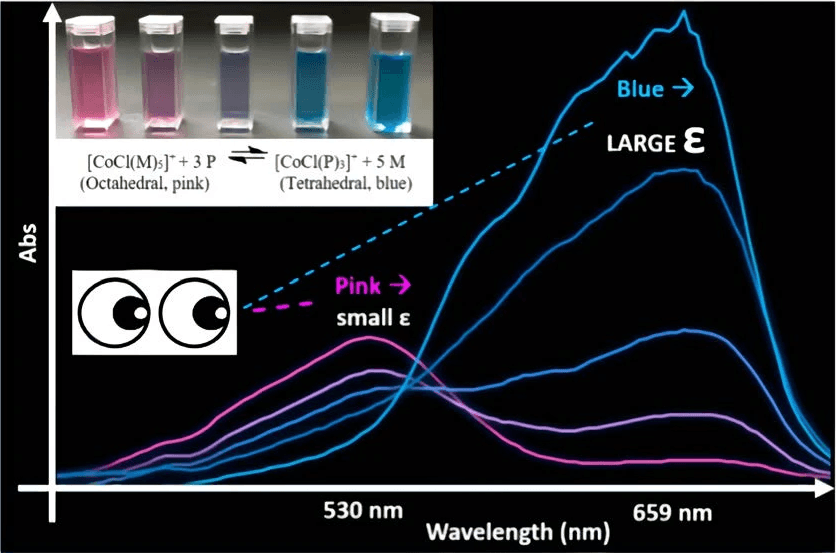
Cobalt complexes are flexible molecules. They are used in a variety of cases, from drug development to experiments in chemistry classes. I developed an engaging laboratory experiment visualizing equilibrium with cobalt complexes for a general chemistry class of 378 students at Brown University. This experiment encouraged students to analyze their experimental results critically and propose possible reaction mechanisms while appreciating the sharp color transition that the reaction undergoes.
An in-depth analysis of upcoming trends in web design, focusing on emerging technologies and design philosophies that are set to shape the future of the industry.

———————————————————————————————————————————

Client

May 15, 2024

Brown University

May 15, 2024

Duration

May 15, 2024

4 years

May 15, 2024

Team

May 15, 2024

Instructional Designer, Principal Investigator, Chemistry Graduate Students

May 15, 2024

Skills

May 15, 2024

User Research, Data Analysis, Literature Review and Publication

May 15, 2024

Background

———————————————————————————————————————————

Many students have struggled with introductory chemistry during their freshman years in college (1). It has been shown that college-level chemistry does not accommodate students from various high school chemistry backgrounds. The typical blackboard lectures are limited to calculations and freeze-framed chalk drawings, which do not capture the truly dynamic nature of chemical phenomena, and cater to students who already have a strong arithmetic background. This poses a problem for students who do not possess sufficient arithmetic skills to succeed in introductory chemistry, making this course less accessible to those who demonstrate interest in this subject (2, 3).

I spent four years of my time at Brown University developing the experiment, iterating it with feedback from students for each semester, and repurposing it for online learning during the pandemic. I continued to be involved in this project after graduation, specifically with literature review and feedback. Here are the publications that I contributed on for this project, which you can find below:

I am beyond thankful for the support and guidance of my research and thesis mentor, Dr. Li-Qiong Wang, Ph.D. For the four years that I have been involved in her lab, Dr. Wang encouraged me to go above my level of caliber and allowed me to propose a research project for CHEM0330 during my first year in undergraduate. I’m grateful for her patience and trust in my curiosity to learn about scientific research, from literature review to publication, and the time Dr. Wang has invested in my growth. I am also thankful for Tiffany and Len for helping me edit the manuscript and for their contribution to these projects. Additional thanks go to Giovanna Roz Gastaldi and the team at Brown Media Services to help us animate and bring chemistry to life through technology.

Acknowledgements

———————————————————————————————————————————

1) Frey, R. F.; Cahill, M. J.; McDaniel, M. A. Students’ Concept Building Approaches: A Novel Predictor of Success in Chemistry Courses. J. Chem. Educ. 2017, 94 (9), 1185-1194. https://doi.org/10.1021/acs.jchemed.7b00059.

2) Nicole M. Grove; Mary B. Nakhleh. Factors That Affect Students’ Positive and Negative Perceptions of Chemistry, 2008. http://oasys2.confex.com/acs/235nm/techprogram/P1163770.HTM.

3) Powell, C. B.; Simpson, J.; Williamson, V. M.; Dubrovskiy, A.; Walker, D. R.; Jang, B.; Shelton, G. R.; Mason, D. Impact of Arithmetic Automaticity on Students’ Success in Second-Semester General Chemistry. Chem. Educ. Res. Pract. 2020, 21 (4), 1028–1041. https://doi.org/10.1039/D0RP00006J.

Citations

———————————————————————————————————————————